

Introduction: The Timeless Allure of Pure Gold
Gold has remained one of the most treasured metals throughout history. Its radiant shine, enduring strength and universal symbolism of prosperity have made it an essential part of jewellery, culture and personal wealth. For many families, gold is more than an ornament; it is a symbol of heritage, tradition and financial security. At Ghulam Nabi Jewellers, purity and authenticity are at the heart of every creation, and understanding the difference between gold karats is essential for making informed decisions. Among all purity levels, 22K and 24K gold stand as the two most popular choices. Although both are highly valued, they serve very different purposes and offer unique advantages. This detailed guide explores every aspect of 22-karat and 24-karat gold, helping you understand their purity, durability, pricing, usage and long-term value.
What Does ‘Karat’ Mean in Gold Purity?
Before comparing 22K and 24K gold, it is essential to understand what the term “karat” means. Karat is a measurement of gold purity out of 24 parts.
24K = pure gold (100%)
22K = 22 parts gold + 2 parts alloy metals (approximately 91.6% pure gold)
This measurement helps buyers determine how much pure gold is present in a piece of jewellery. The remaining percentage in lower karats typically includes metals like copper, silver or zinc added to increase strength and durability. This makes some forms of gold more suitable for jewellery, while others are ideal for investment.
Understanding 24K Gold: The Purest Form of Gold
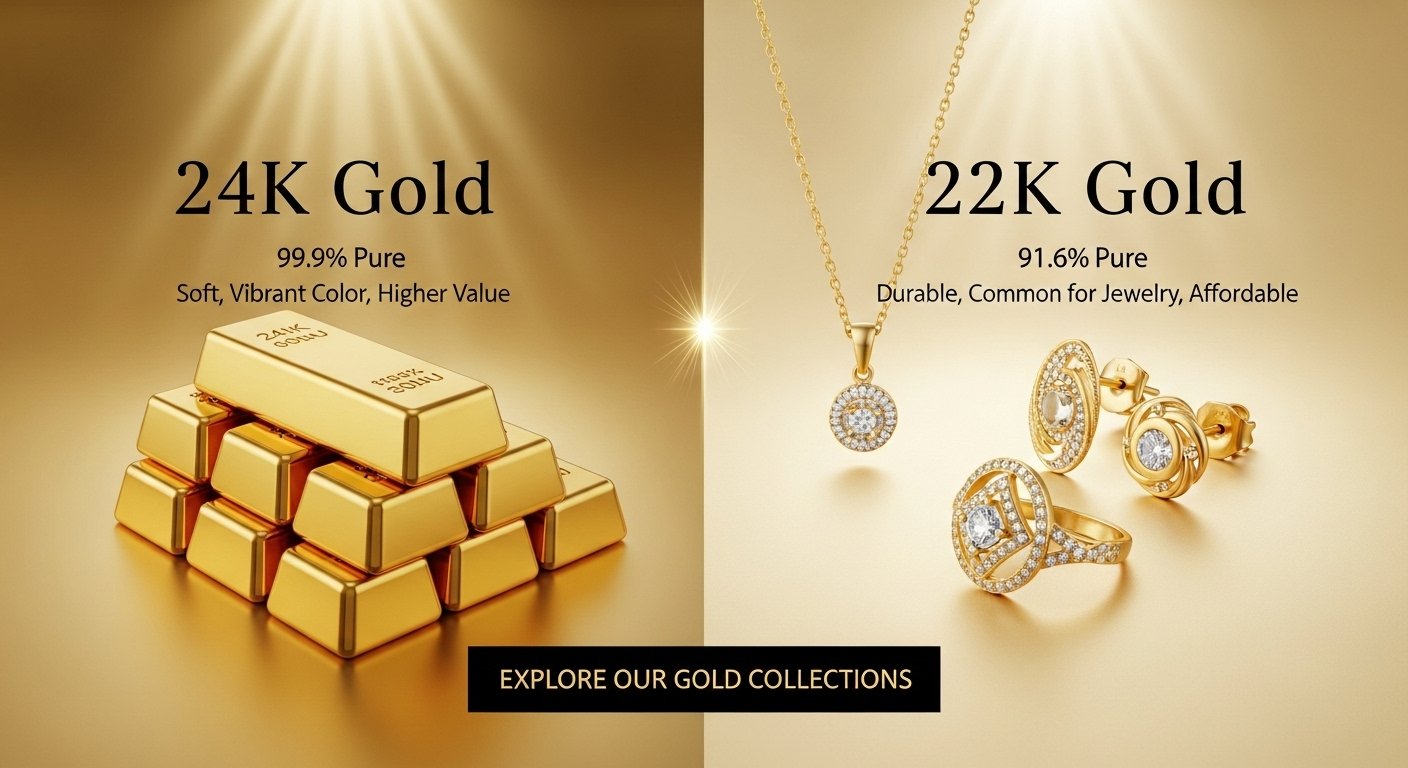
24K gold is considered the purest form of gold available for purchase. It contains 99.9% real gold, giving it a bright, true yellow colour that represents natural gold in its raw form. This purity level is admired for its brilliance and value, making it a preferred choice for investors and collectors.
Characteristics of 24K Gold
24K gold is soft, malleable and easily bendable. Its softness is both a strength and a limitation. While it is visually stunning, it is not ideal for intricate jewellery designs because it can lose shape or get scratched. For this reason, 24K gold is typically used in gold bars, coins and some traditional jewellery that does not require complex craftsmanship.
The Colour of 24K Gold
The colour of 24K gold is a deep, rich yellow—warmer and more intense than any other karat. This distinctive shade is often associated with luxury, royalty and purity. Many cultures, especially in Asia and the Middle East, regard 24K gold as the most prestigious form of gold to own.
Uses of 24K Gold
24K gold is primarily used in:
Gold bars
Gold coins
Investment pieces
High-value gifts
Some traditional ornaments (especially in East Asia)
Because of its purity, 24K gold holds its value extremely well, making it one of the most secure forms of long-term financial investment.
Understanding 22K Gold: The Ideal Purity for Jewellery
22K gold contains 91.6% pure gold, with the remaining 8.4% made of alloy metals. These added metals increase the strength and stability of the gold, making it perfect for crafting durable and detailed jewellery.
Characteristics of 22K Gold
22K gold is strong, resilient and suitable for daily wear. Although it has a slightly lighter tone compared to 24K, it still maintains a luxurious yellow shine that makes it highly desirable for bridal sets, bangles, necklaces, rings and earrings.
Why 22K Gold is Preferred for Jewellery
Pure gold is too soft for most jewellery designs. By mixing it with small amounts of alloy metals, jewellers can craft detailed, durable and artistic pieces. 22K gold offers the ideal balance between purity and practicality.
Uses of 22K Gold
22K gold is widely used in:
Bridal jewellery
Everyday wear jewellery
Traditional and cultural ornaments
Bangls, rings, necklaces and earrings
Family heirlooms
This purity level is the standard choice for luxury jewellery at Ghulam Nabi Jewellers, where craftsmanship and authenticity are paramount.
22K vs 24K: Purity Comparison
The major difference between 22K and 24K gold lies in their purity.
24K = 99.9% gold
22K = 91.6% gold
Although 24K contains more pure gold, the slight reduction in purity in 22K makes it practical and long-lasting for jewellery craftsmanship. Understanding this difference allows buyers to choose gold based on purpose—wearing or investing.
Colour Differences Between 22K and 24K
The purity of gold affects its colour:
24K gold has an intense, vibrant yellow
22K gold has a rich yellow with a slightly subtle tone
Many people find 22K gold more aesthetically pleasing for jewellery because its colour complements gemstones and integrates beautifully with detailed designs.
Strength and Durability: Which Gold Lasts Longer?
24K gold is soft and can bend easily, making it unsuitable for everyday wear.
22K gold is stronger due to alloy metals, making it ideal for jewellery that must withstand movement and contact.
Durability plays a major role when choosing between the two. Brides, families and jewellery lovers prefer 22K gold because it lasts a lifetime without losing shape, especially in intricate designs such as filigree work, bangles or necklaces.
Workability and Craftsmanship
Jewellery-making requires flexibility, balance and structural integrity. This is where 22K gold shines. Alloy metals give it firmness, making it suitable for crafting:
engraved textures
delicate chains
traditional patterns
stone settings
polki or kundan designs
24K gold cannot hold gemstones firmly. It lacks the structural strength needed for artistic detailing. At Ghulam Nabi Jewellers, expert craftsmen rely on 22K gold to produce jewellery that blends beauty with durability.
Investment Value: 22K or 24K?
24K gold is the global standard for investment. Gold bars and coins in 24K purity retain long-term financial value. However, well-crafted 22K jewellery also maintains excellent resale and appraisal value.
Why Investors Prefer 24K Gold
Highest purity
Easily meltable
Globally recognised value
Ideal for long-term wealth protection
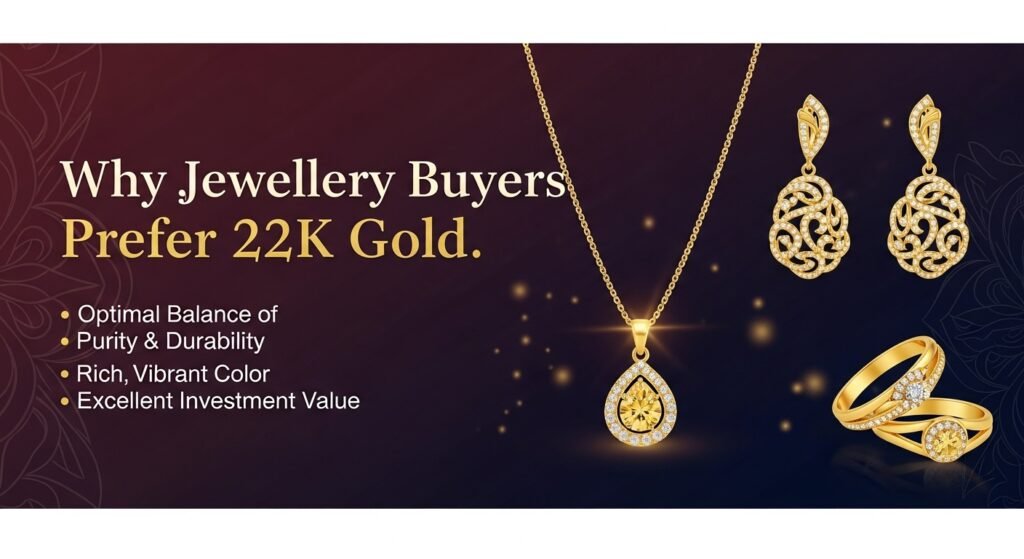
Why Jewellery Buyers Prefer 22K Gold
Wearable investment
Durable and long-lasting
Beautiful craftsmanship
Cultural significance
Both have value, but each serves a different purpose.
Affordability: Price Differences Between 22K and 24K
24K gold is more expensive than 22K because of its purity.
However, 22K jewellery often includes craftsmanship costs, making certain pieces highly valuable.
Customers choose 22K gold for artistic bridal sets and ornaments, while 24K gold suits collectors and investors.
Cultural and Traditional Preferences
Cultural beliefs often guide gold choices.
In many South Asian and Middle Eastern communities, 22K jewellery represents elegance, heritage and bridal tradition. Families invest in 22K pieces for weddings and celebrations because they last for generations.
24K gold is admired for its purity and is often gifted as bars or coins during weddings, religious occasions and festivals.
Stone Setting and Embellishments
22K gold is perfect for gemstone jewellery because its alloy mixture holds stones securely. Diamonds, emeralds, rubies and sapphires pair beautifully with 22K gold.
24K gold is generally unsuitable for stone setting because it is too soft. It cannot grip stones firmly, making jewellery less secure.
Longevity and Wearability
22K gold is ideal for jewellery worn during celebrations and regular events.
24K gold, although pure, is best kept for investment or ceremonial use.
Maintenance
22K jewellery requires minimal maintenance and retains its shine for decades.
24K gold also keeps its brilliance but must be handled with more care due to its softness.
Ghulam Nabi Jewellers: Craftsmanship Rooted in Purity
At Ghulam Nabi Jewellers, both purity and artistry are treated with uncompromising care. The brand sources authentic gold of verified karat quality, ensuring customers receive genuine pieces backed by trust and certification. The artisans combine heritage techniques with modern precision, offering jewellery that is beautiful, durable and crafted to perfection.
Why Ghulam Nabi Jewellers Prefers 22K Gold for Jewellery
Balanced purity
Long-lasting strength
Compatibility with artistic craftsmanship
Secure stone setting
Rich colour and shine
These qualities make 22K gold the ideal choice for bridal jewellery, heirloom pieces and finely detailed ornaments.
How to Choose Between 22K and 24K Gold
Choosing the right purity depends on your purpose.
Choose 24K Gold If You Want:
Long-term investment
Pure gold bars or coins
Highest value per gram
Gold that remains untouched and preserved
Choose 22K Gold If You Want:
Exquisite jewellery
Durable and wearable pieces
Bridal sets or cultural ornaments
Jewellery that can be passed down as heirlooms
Understanding the purpose helps you make a confident and intelligent purchase.
Gold Certification and Authenticity
When buying gold, certification is essential. Ghulam Nabi Jewellers provides authenticity certificates and guarantees the exact purity of each piece. Certified gold ensures transparency, trust and accurate valuation, especially during resale or upgrade.
Conclusion: Choosing Gold with Wisdom and Confidence
Both 22K and 24K gold hold immense value, but they serve different purposes. 24K represents pure gold in its most natural and prestigious form, while 22K offers the perfect combination of beauty, strength and wearable elegance. Whether you are choosing gold for investment, jewellery or a bridal collection, understanding these differences ensures that your purchase aligns with your needs and aspirations.
At Ghulam Nabi Jewellers, every piece of gold carries a promise—purity, excellence and timeless craftsmanship. When you choose your gold with knowledge and intention, you not only acquire a precious metal but also a symbol of heritage, prosperity and enduring beauty.